When President William Ruto explained to a Nairobi audience why a $1 billion American-Emirati data center deal that he had personally helped broker would not be opening on time, he did not lead with geopolitics. He led with arithmetic.
"To switch on that one data center, we would need to shut off power for half the country. That's when I knew there was a problem."
The quote, captured by Semafor earlier this month, lands harder than the press cycle around the original announcement suggested it would. The Microsoft and G42 facility, unveiled with great ceremony during Ruto's May 2024 state visit to Washington and originally targeted for a May 2026 launch, had quietly slipped past every milestone. By the time the President spoke, the original opening date had come and gone.
The deeper reason was not bureaucratic. It is the one this column has been circling for months. Across two earlier Inside Impact pieces on rural electrification, we argued that Africa's biggest infrastructure stories are usually energy stories that have been mistaken for something else. The Kenya data center stall is the clearest sovereign-scale illustration of that thesis yet.
The deal that did not survive its own power bill
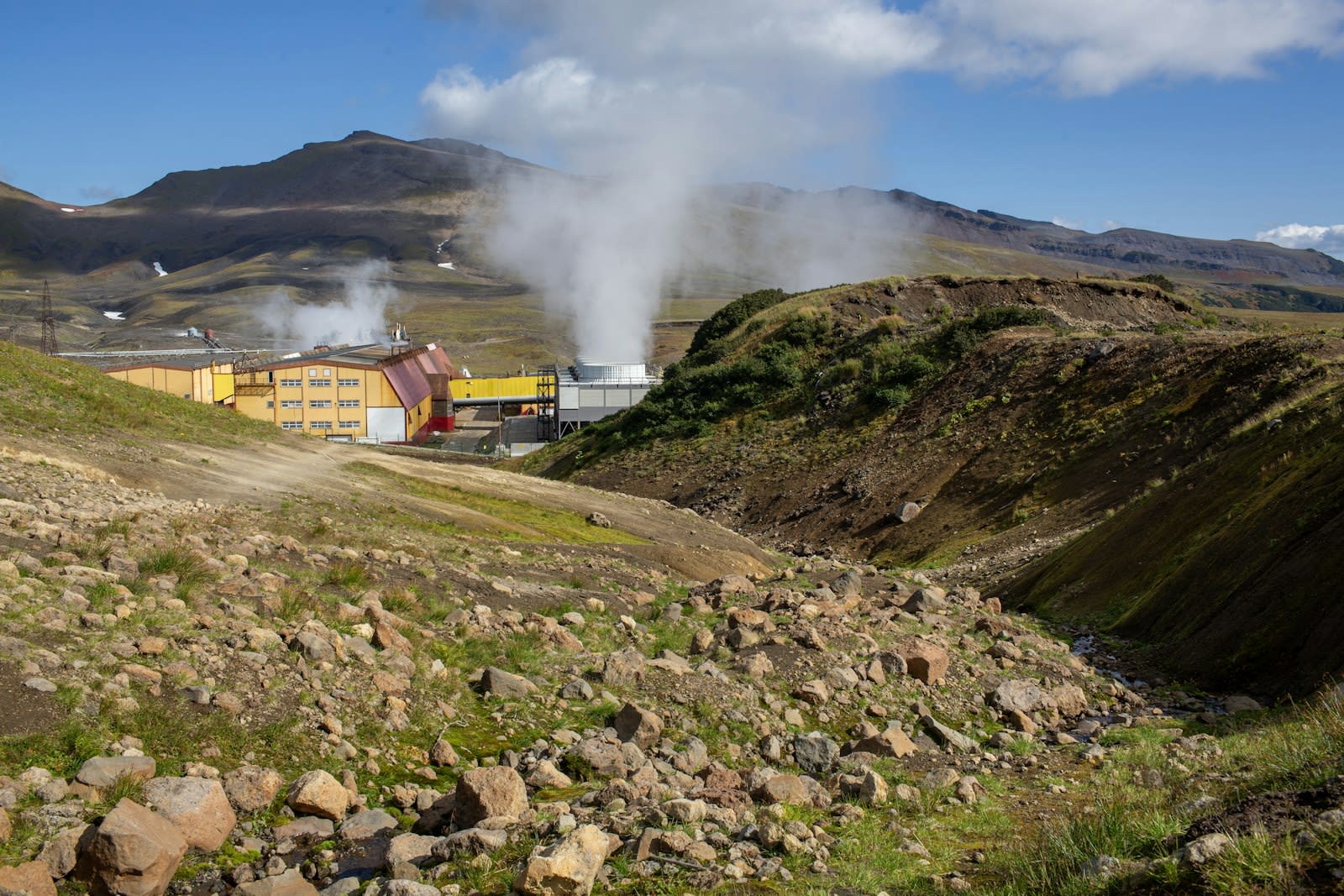
The project was meant to be a flagship. A 1-gigawatt facility in the Olkaria geothermal corridor of the Great Rift Valley, running Microsoft Azure workloads with G42, the Abu Dhabi-based AI firm, leading construction. Geothermal made the carbon math look clean. Washington made the diplomatic math look strategic. On paper, this was Africa's seat at the sovereign-AI table.
Two things broke. The first was capacity. Kenya's total installed generation is roughly 3,000 megawatts, with a target of 10,000 by 2030. A single tenant drawing a gigawatt would have consumed a third of the national grid before anyone else turned on a kettle. The second, less reported in the launch coverage but central in the post-mortem, was financial. Microsoft asked the Kenyan government to guarantee a minimum annual capacity-payment floor for compute the facility would sell. The Treasury, per Bloomberg's reporting carried by several outlets, declined to commit at the level Microsoft requested.
By May this year, Kenya's Principal Secretary for the ICT Ministry, John Tanui, was reduced to the polite formulation that the project "is not failed or withdrawn," and that "the scale of the data center they wanted to do still requires some structuring." Translation: it sits, paused, in the kind of indefinite holding pattern that infrastructure stories live in when the grid cannot carry the design.
This is not a Kenya problem. It is a continent-shaped wall.
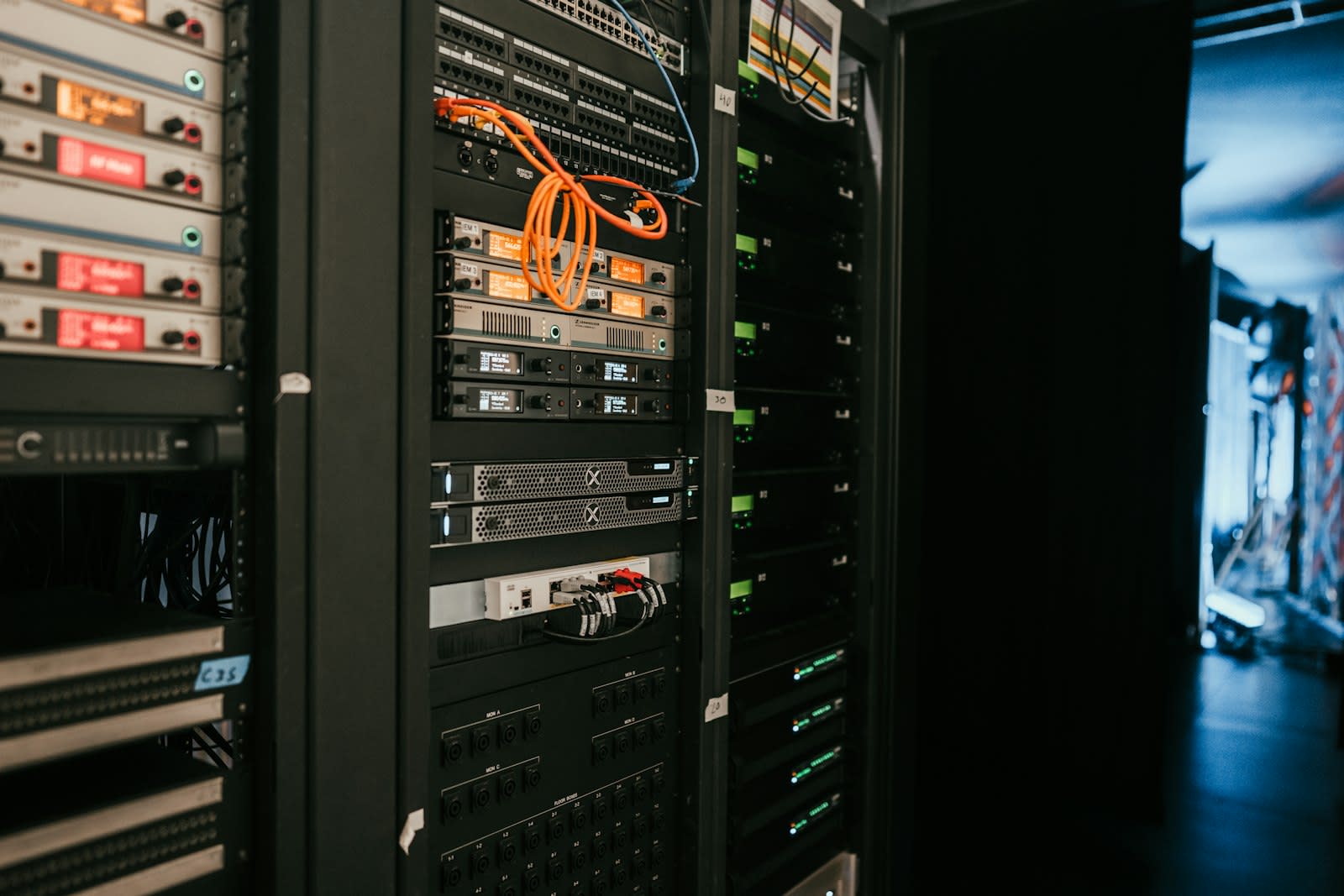
Take the lens wider and the picture sharpens rather than blurs. According to the Africa Data Centers Association's 2026 report, the entire continent holds roughly 0.6% of global data center capacity, spread across about 220 to 230 facilities in 38 countries. Capacity is concentrated in four of those: South Africa, Nigeria, Kenya, and Egypt. The ADCA expects African installed capacity to roughly triple by 2030, to about 1.2 gigawatts of IT load. That is meaningful growth, and still small enough that global market share is likely to stay where it is.
The argument in Stephen Agwaibor's recent analysis for TechCabal Insights is that sovereign-AI ambitions on the continent keep bumping into a constraint that has nothing to do with algorithms or with regulatory copy-paste from Brussels. Every flagship sovereign-compute announcement of the last two years has eventually had to reckon with the same line item: the megawatts to run it. Where the megawatts exist, things ship. Where they don't, things stall.
The Kenya data center is the most visible case. It is not the only one.
The bottom-up alternative is already running
Egypt is the counterexample. In February this year, the Ministry of Communications and Information Technology unveiled Karnak, a national large language model trained on tens of millions of Arabic-language datasets. By the metrics the launch published, Karnak is the highest-ranked Arabic LLM at both 30 to 40 and 70 to 80 billion parameters. More important than the parameter count is what has happened since. Karnak now sits inside government workflows: a high-school AI tutor that supports Egyptian history education, a legal and regulatory assistant for citizens, an audit layer over the Digital Egypt call center, and medical-imaging tools built with the UN Development Programme for diabetic retinopathy, macular edema, and breast cancer.
The Karnak model is not running on goodwill. It is running on Egypt's grid, which is materially stronger than most of its neighbours. The pattern is consistent: countries that have solved power can solve sovereign AI on their own terms. Countries that haven't are negotiating with foreign hyperscalers from a weaker position than the launch press conferences suggest.
What this connects to
This is the same diagnosis the earlier mini-grids pieces made, scaled one layer up.
In rural electrification we argued power is the easy part, off-take is the missing piece. In our follow-up we showed two operators getting integration right precisely because they designed for the economy, not just the wires. The sovereign-compute story sits in exactly the same shape: code is the visible part, megawatts are missing. Where the underlying generation, transmission, and pricing structure can carry a flagship tenant, the deals happen. Where it cannot, the deal stalls and the country is left with a national AI bill, a regulatory framework borrowed from Brussels, and no data center to run it on.
The lesson is not that Africa should refuse the data center conversation. It is that there is no shortcut around the grid.
A country with a sovereign AI strategy and no spare gigawatt is still a country waiting for its first hyperscale tenant. A country that has spent twenty years building generation capacity is having a different conversation.